
Kia ora koutou,
Welcome to 2026! Things are already kicking into gear as we enter the second half of the 2025/26 financial year. This update focuses on the key outcomes and developments from July to December 2025. As always, I’m more than happy to discuss these in more detail or answer any questions you may have on CEDA’s programmes of work.
To start the 2026 year off, I wanted to highlight a recent video that CEDA produced to sit on our CEDA.nz website. Designed to be an ‘elevator pitch’ the video provides a clear overview of the work we do for the Manawatū region. It covers our key focus areas and economic development pillars, touches on our three main strategies, and illustrates what makes Manawatū thrive. Importantly, it is designed so that the region remains the hero – CEDA sits in the background as the watermark, demonstrating how we enable business growth, investment, talent, and visitation, rather than promoting CEDA as the primary brand. You can watch the video here.

Te Utanganui
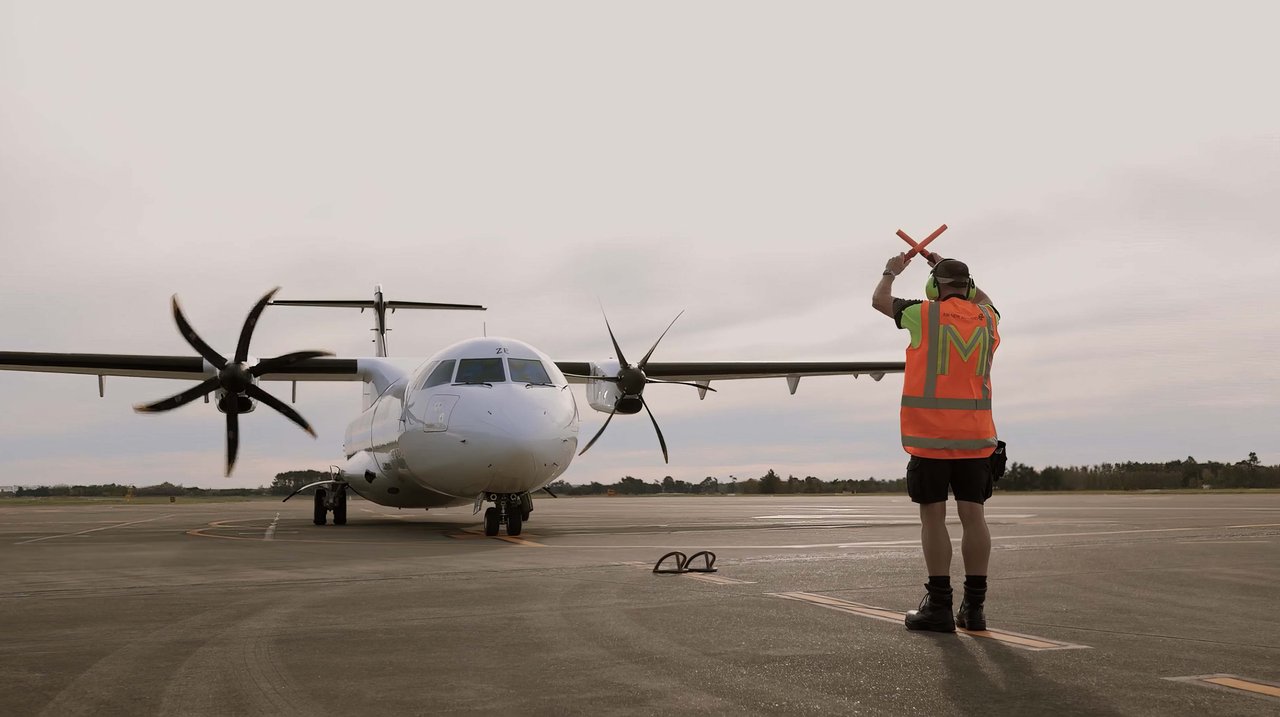
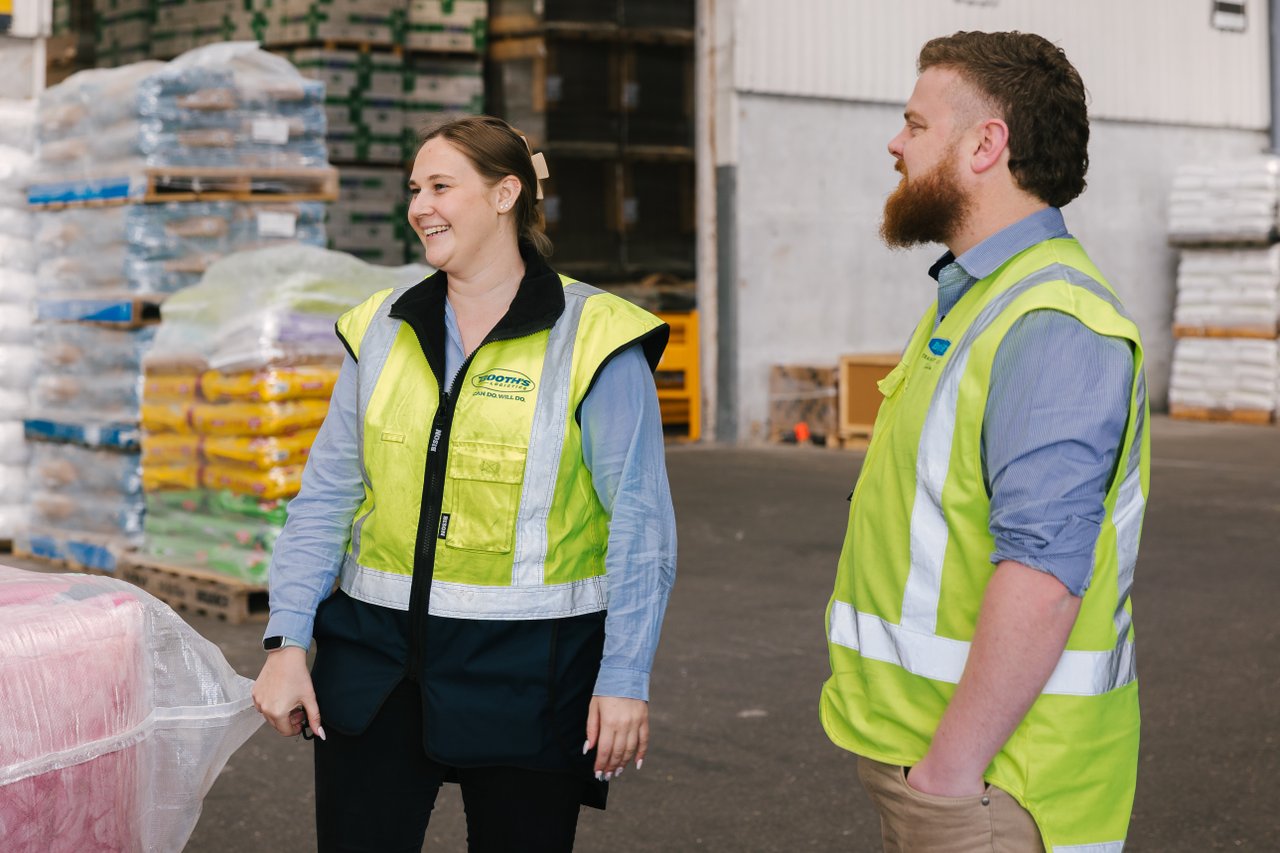
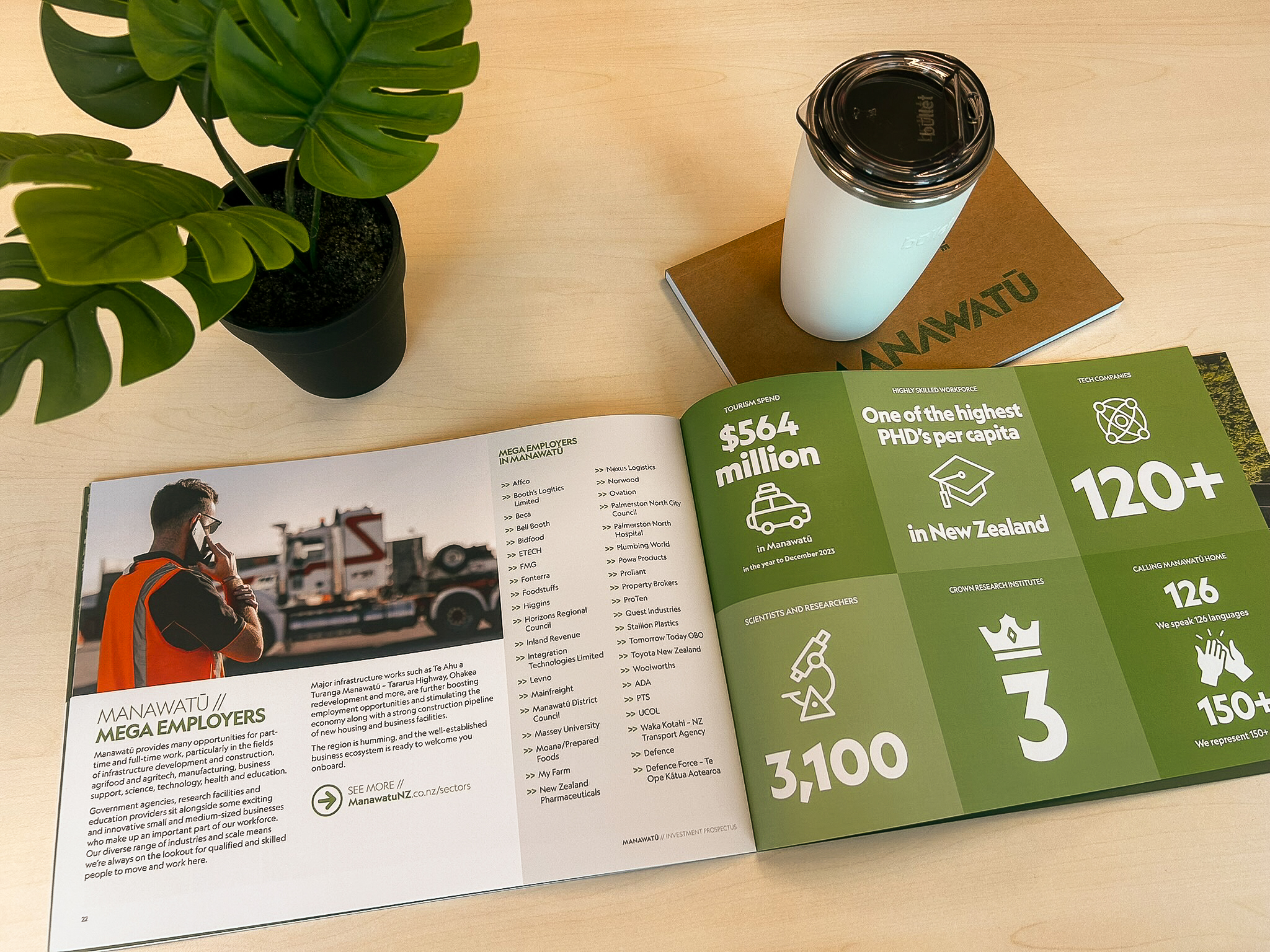
Te Utanganui has entered a new phase of growth, with a refreshed strategy, a new standalone digital presence, and a step-change in national advocacy that reflects the pace and scale of the hub’s development. Building on the original 2020 framework, the updated strategy sharpens the focus on Te Utanganui as a high-performing, multi‑modal hub that integrates road, rail, air and port connections, reinforcing its role in boosting productivity, strengthening resilience, and enabling investment across priority sectors such as agrifood, logistics, and advanced manufacturing.
The launch of the new Te Utanganui website provides a dedicated national shopfront for investors, operators and partners, clearly articulating the hub’s value proposition, opportunities and pipeline of activity, while complementing CEDA’s leadership of strategy and investment coordination. Te Utanganui’s profile has also grown markedly, with increased engagement across national industry bodies, central government agencies, media, and a broad network of councils and economic development partners, helping to secure support for enabling infrastructure such as the planned Regional Freight Hub and Manawatū Regional Freight Ring Road.
Together, these developments reflect the significant pace and scale at which Te Utanganui is growing, with a rapidly expanding cluster of national and multinational operators locating or expanding in the hub, creating jobs and catalysing new investment across the region – future proofing not only our region, but the national freight and logistics network.
Securing central government seed funding to begin construction of the rail hub as part of Te Utanganui remains challenging. CEDA submitted an application for funding through Kānoa, which was not supported. While this was not the outcome we had planned for, and we will continue to seek central government support, the important role the private sector will play in driving the project forward is now clear. This will shape our efforts in 2026, beginning with a Rail Hub workshop in early February as we work towards progressing a staged implementation of that project.
Destination Management Plan
CEDA undertook its fourth Community Sentiment Survey to gather local perspectives on the visitor industry in Manawatū. Capturing the views of our community is fundamental to shaping tourism strategies that support economic growth and enhance quality of life in Manawatū. The survey provides robust insights into local perceptions, strengthening our approach to sustainable regional development, and supports the continued roll out and monitoring of the Manawatū Destination Management Plan (DMP).
The results showed growing positivity and confidence in Manawatū’s visitor sector, with 85.8% of locals recognising its importance to our region and 82% saying they’d actively encourage friends and family to visit. Discover the key findings here.
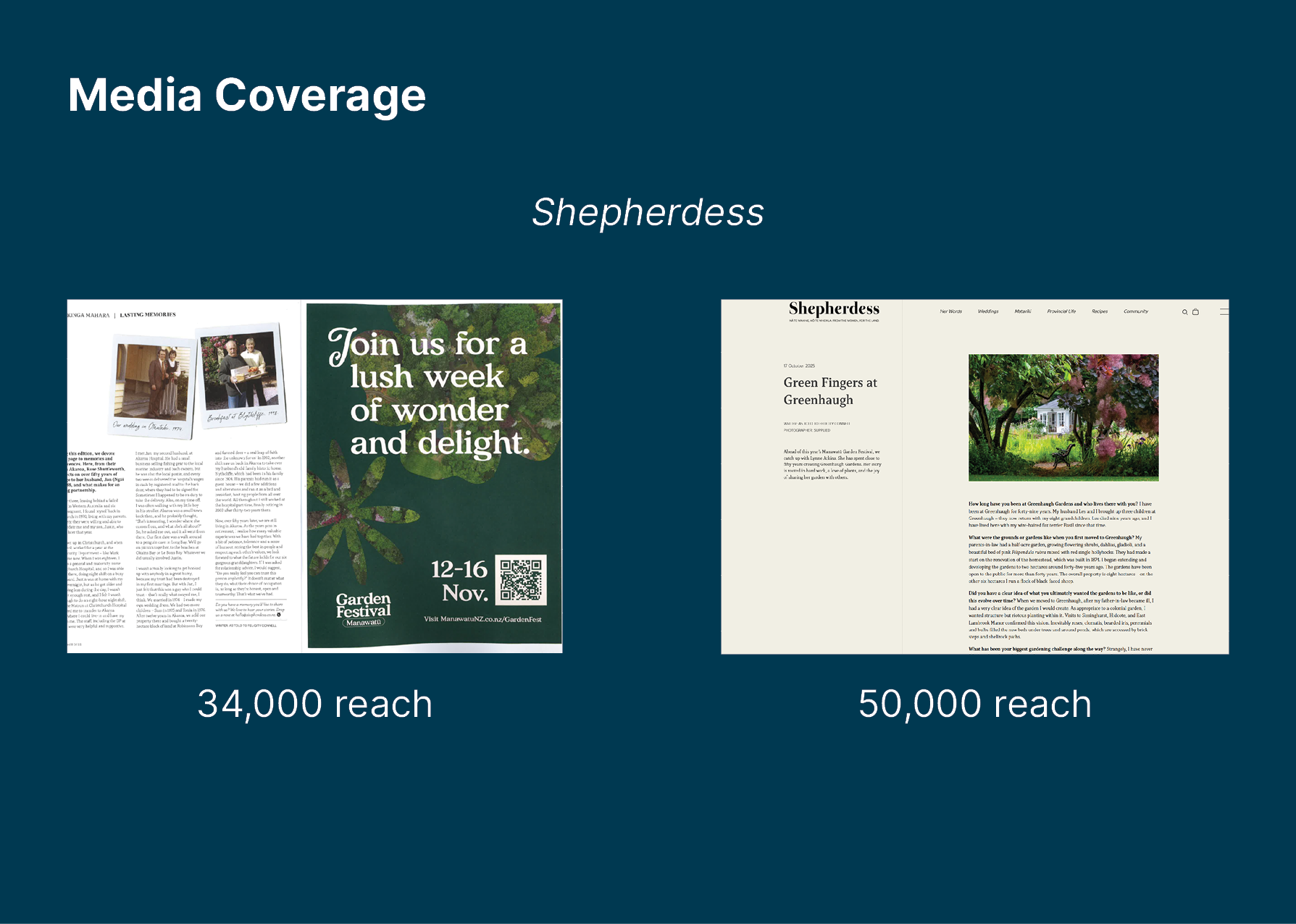
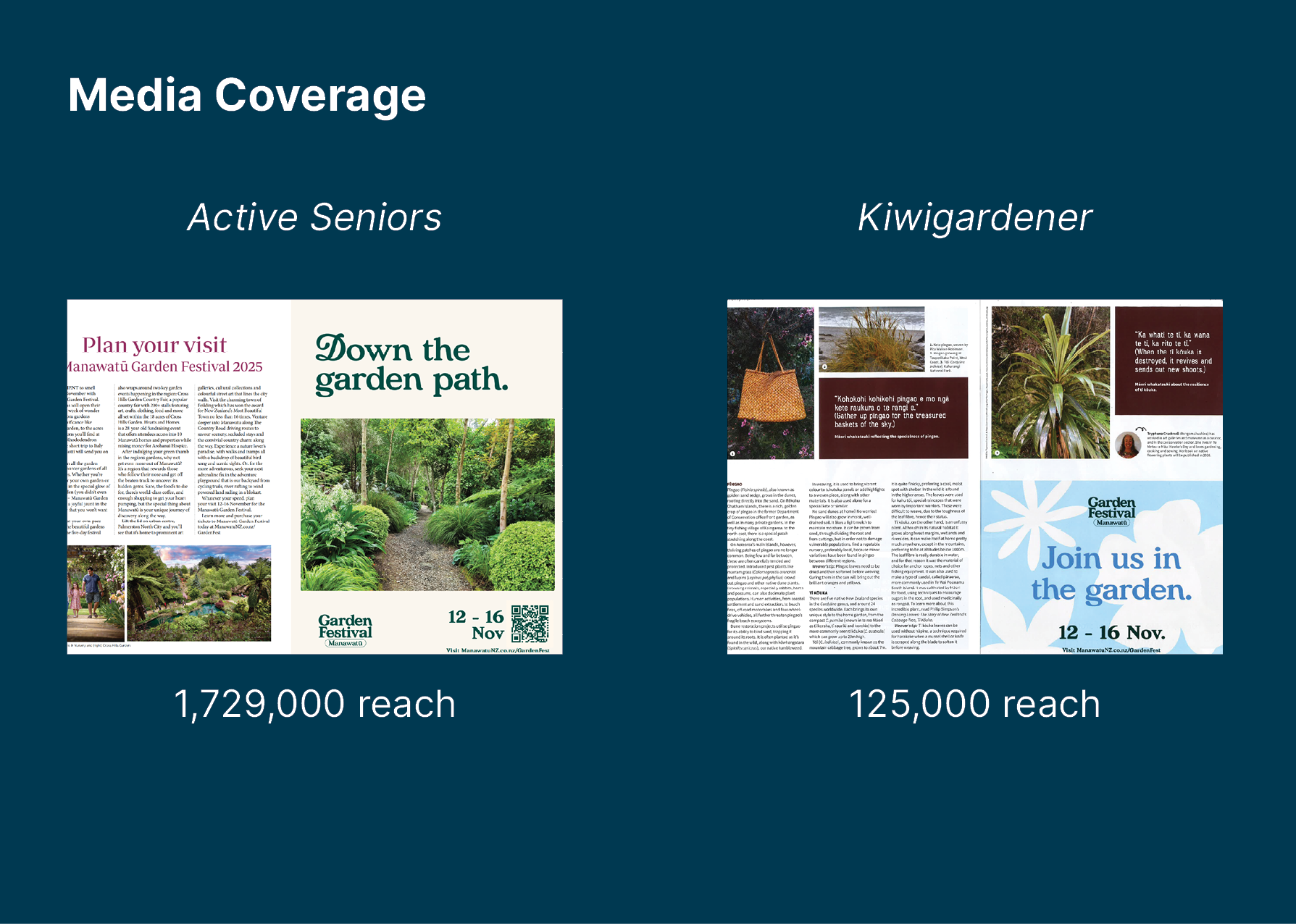
The Manawatū Garden Festival is a great example of the DMP’s focus to create innovative visitor experiences to grow Manawatū as a nationally significant destination. The festival was aimed at driving visitation beyond the peak season, strengthening ties between locals and visitors, and showcasing the diversity and beauty that makes our region special. Ticket holders largely came from Auckland, Wellington, Hamilton as well as Christchurch and Hawke's Bay. Of those attendees surveyed, 64% stayed in paid accommodation, 72% rated their festival experience as ‘Good’ to ‘Great’, while 82% stated that they would recommend the festival to others.
Manawatū Regional Food Strategy
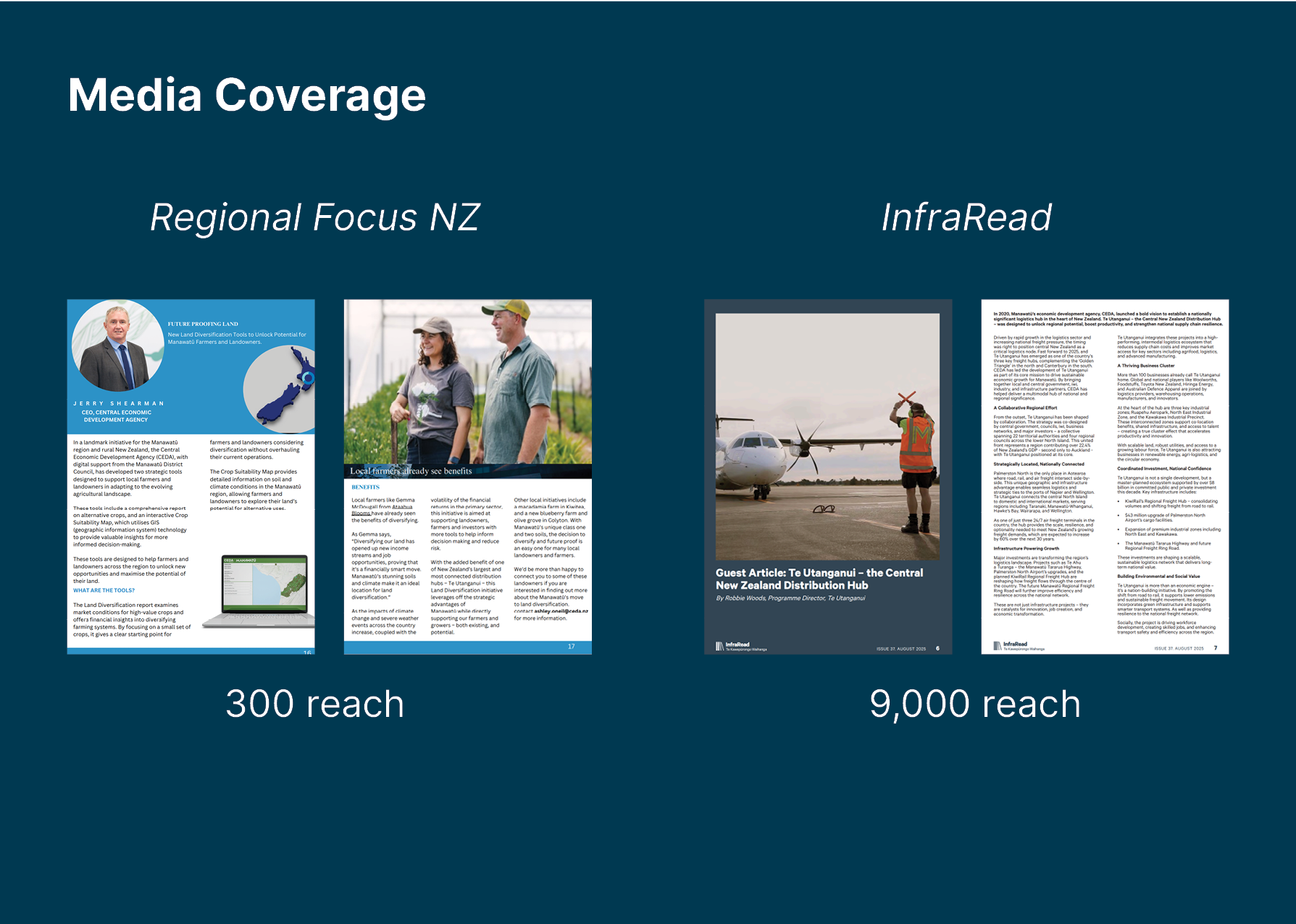
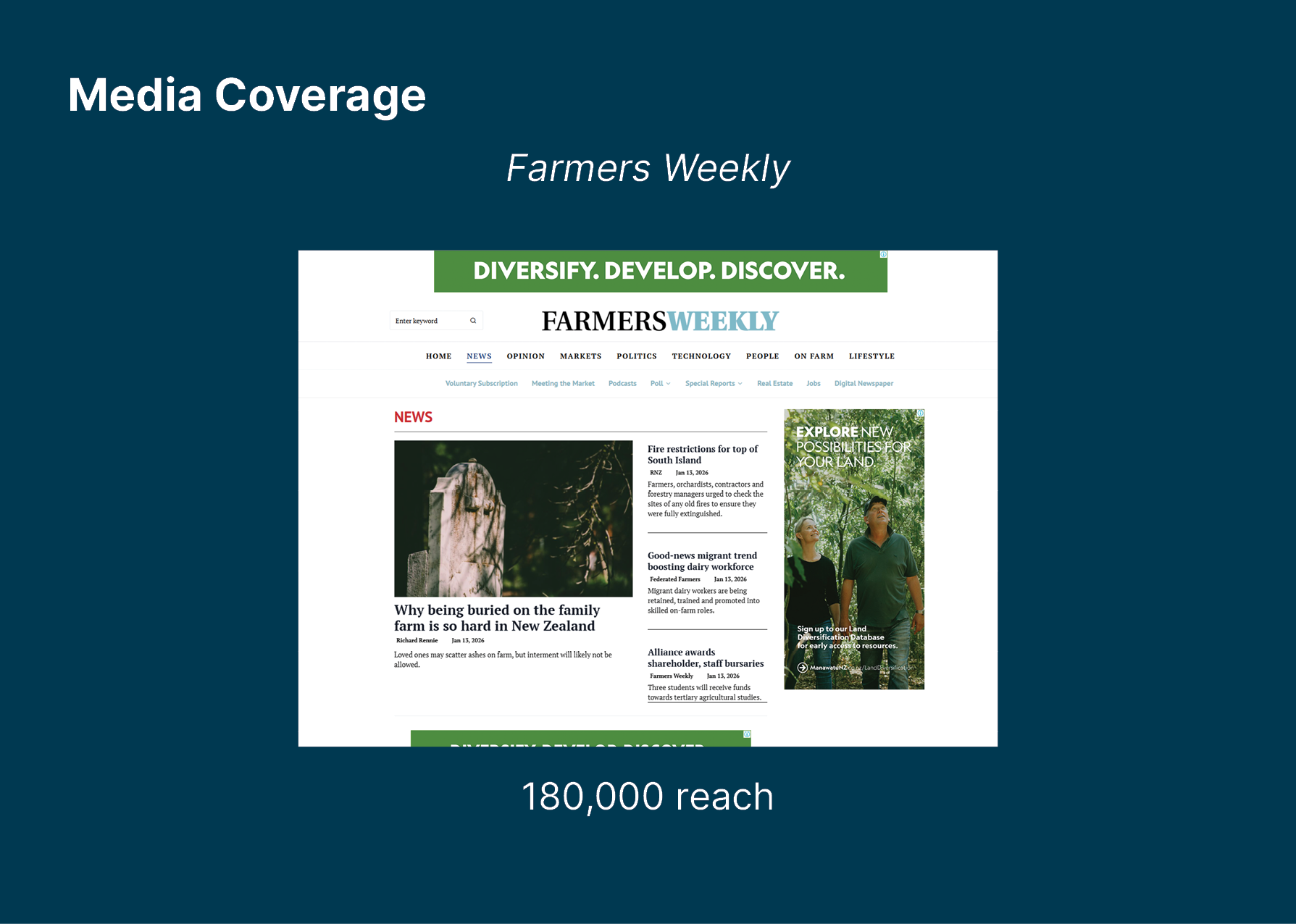
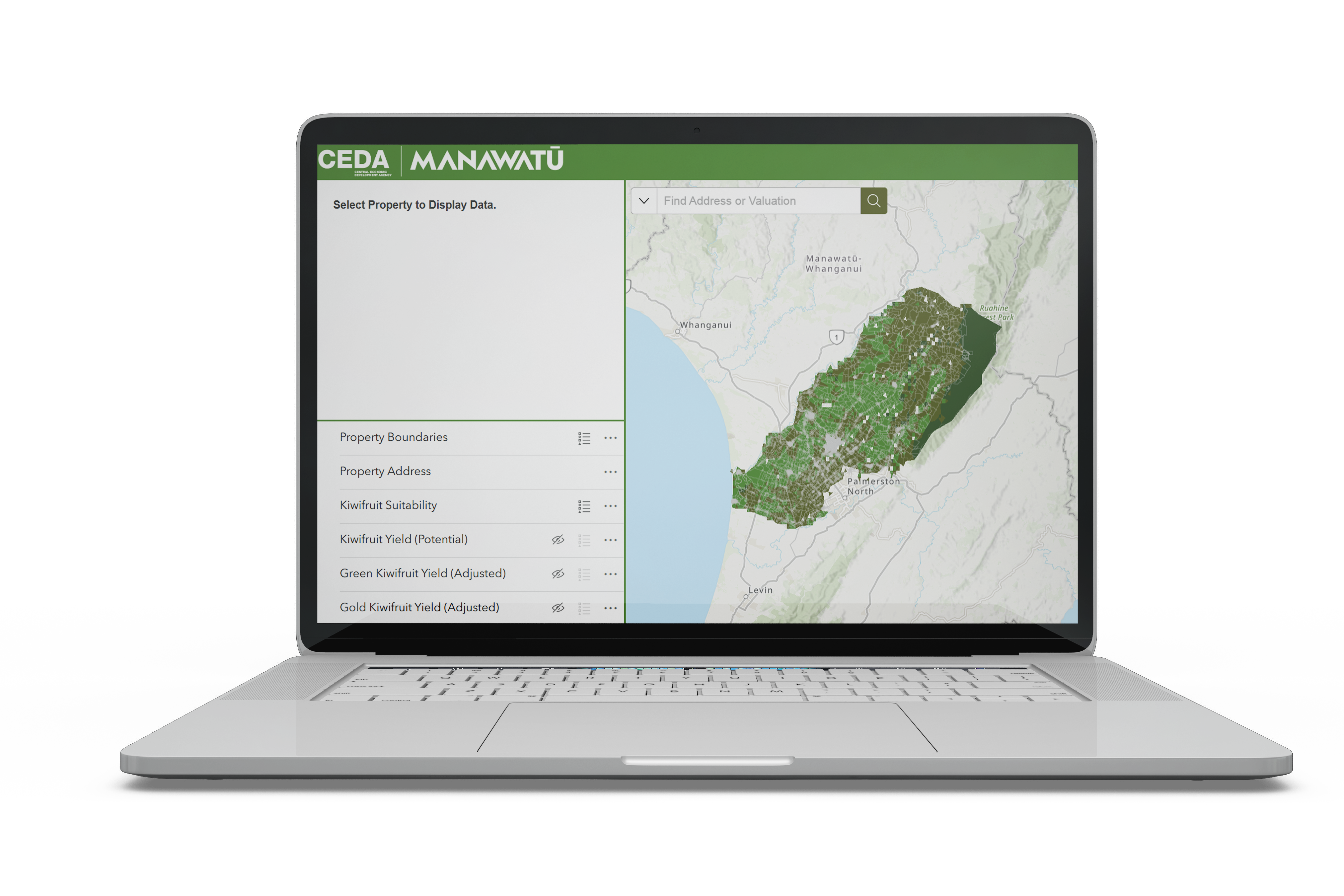
The Land Diversification Initiative, supported by tools such as the Land Diversification Report, Crop Suitability Map and newly launched Grower Guides, are helping landowners explore new opportunities and future-proof their operations. This work is complemented by growing global and national collaboration, including Manawatū’s participation in the EU-funded International Urban and Regional Cooperation programme and CEDA’s collaboration with other regional economic development agencies to strengthen primary sector resilience and innovation as part of a bespoke exchange programme funded through AGMARDT.
Over the last quarters to the end of 2025, CEDA supported a range of businesses across medical science, manufacturing, and retail to strengthen capability and unlock growth. We've been focusing on introducing more businesses into Callaghan Innovation’s Research and Development Tax Incentive team, which enables future business growth and expansion.
Additionally, ongoing focus to connect some of our emerging innovators into the research and development grant space to unlock additional funding through central government services.